







Cat Grass: Effects and Needs for Cats
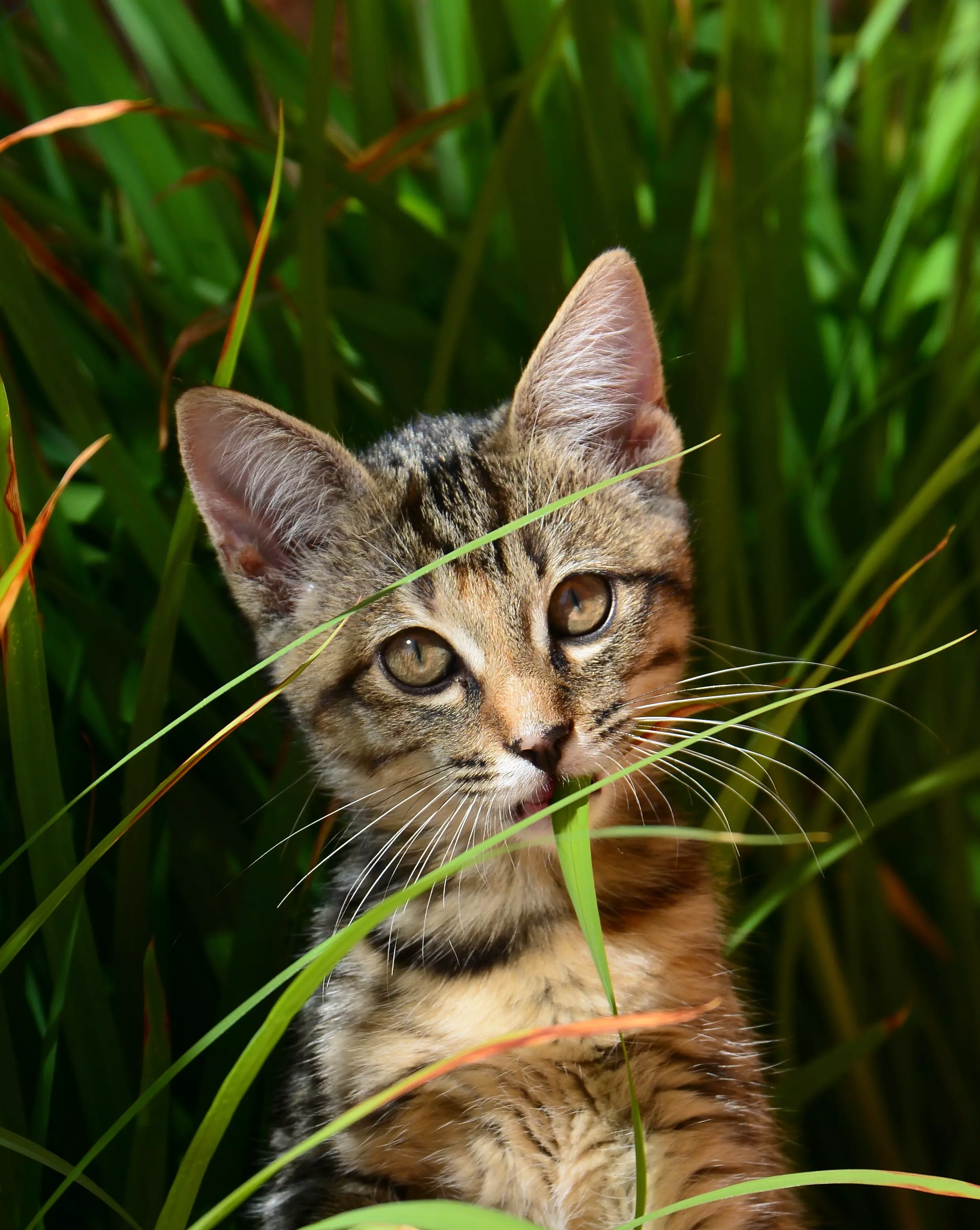
Cat grass includes various plants from the Poaceae family. These non-toxic plants have digestive benefits for cats. Be careful not to confuse them with the so-called "catnip" plants, which have a euphoric effect on these animals. Here's everything you need to know about these plants.
What is Cat Grass?
a. What seeds and plants are referred to as such?
Cat grass includes different non-toxic plants for cats. For example, wheat, barley, oats, and rye can be mentioned, which grow as green young shoots about ten centimeters long. Some species of papyrus, such as Cyperus alternifolius Zumula, also carry this name.
b. What are the benefits of cat grass?
But what is cat grass used for? Cat grasses are rich in fiber, which helps digestion. They also form grass blades that are not broken down in the stomach. Therefore, their ingestion sometimes causes regurgitation (cat grass makes your cat vomit), don't worry: this is the desired effect of the cat grass.
Cats are very clean; they groom themselves regularly and, in doing so, ingest a significant amount of fur that cannot be broken down by the stomach. These hairballs, if not regurgitated, can move through the digestive tract and form dangerous blockages for the cat. The blades of cat grass interweave with the fur in the stomach and help with its regurgitation. Contrary to some misconceptions, this plant has no antiparasitic or deworming effect.
c. Why give cat grass?
Chewing plants to purge themselves is normal behavior for cats. So, if your companion lives in an apartment, they will still try to reproduce this behavior. This might make them eat your houseplants, which could be toxic.
Without any plants to eat, your cat may have difficulty regurgitating its fur. Over time, this can lead to the formation of trichobezoars: hairballs in the stomach. If these balls move into the intestines, they can cause an obstruction, requiring emergency surgery. But where should you put cat grass? Cat grass is a plant. Therefore, it is strongly recommended to provide your apartment cat with a pot of cat grass. Reserving a small corner of your garden or terrace to plant cat grass can also be beneficial.
Is Cat Grass Dangerous for Cats and Kittens?
Cat grass is not toxic to your pet. Therefore, cat grass is not dangerous. However, excessive consumption may increase the frequency of vomiting, which can lead to dehydration. If your pet is consuming more plants, it could be due to a fiber deficiency in their diet. It may also be a sign of digestive discomfort. Don’t hesitate to talk to your veterinarian if this condition persists.
The costs of veterinary consultations can sometimes be substantial. Taking out an insurance policy for your cat can help ease these costs. Dalma’s cat insurance covers the costs of consultations and is available 24/7 to assist you. Visit our website to discover our cat insurance policies that ensure your four-legged companion is protected, no matter what!
Where to Buy Cat Grass in Pots and How to Grow It?
Cat grass is available in pet stores or online. It can be found in the form of seeds to plant or a substrate to rehydrate. Grow it in a pot in a room your cat can access, or directly in a corner of your garden. Leave the growing area open for your cat, who will come and nibble on some blades whenever it feels the need. There's no need to cut small pieces and add them to their food; this would be totally counterproductive. Don’t forget to water the plant from time to time to keep the grass fresh and green.
What’s the Difference with Catnip?
a. What plants are referred to as such?
Catnip is made up of plants from the Nepeta genus, particularly catnip or catmint, but also cat thyme, matatabi, or valerian. These plants look like mint and sometimes have white to purple flowers.
b. What are the effects of catnip?
These plants contain neuroactive substances that resemble feline pheromones. Inhalation of these substances triggers a kind of euphoria in the cat, which alters its behavior.
You can observe:
- Excitement
- Rolling
- Vocalizations
- And more.
The sensitivity of each cat to the effects of this plant varies widely, likely due to genetic reasons. Some cats are highly receptive to it, while others will show no interest at all.
c. Is it good to give catnip?
This plant is not intoxicating for the cat, and even if they are very receptive to it, they cannot become "addicted" to it. However, while this plant is not toxic in itself, it presents some indirect risks due to its effects:
Due to the behavioral changes it causes, the cat may put itself in danger without realizing it (e.g., crossing a road, falling off a balcony, etc.).
In some cats, this plant can have a sedative effect (which can be beneficial in cases of behavioral problems or chronic anxiety).
Additionally, the effects of this plant occur upon inhalation, and ingestion can lead to digestive issues such as vomiting or diarrhea.
d. How to use catnip safely?
Cats are generally able to self-regulate their consumption. If you have a patch of catnip in your yard, anticipate the risks mentioned earlier. There are also many toys available in pet stores that contain catnip. These can be a great way to entertain and relax your cat when used sparingly. Make sure, however, that they do not open the toys with wear, as the contents are not meant for consumption.