







What Are the Benefits of Catnip?
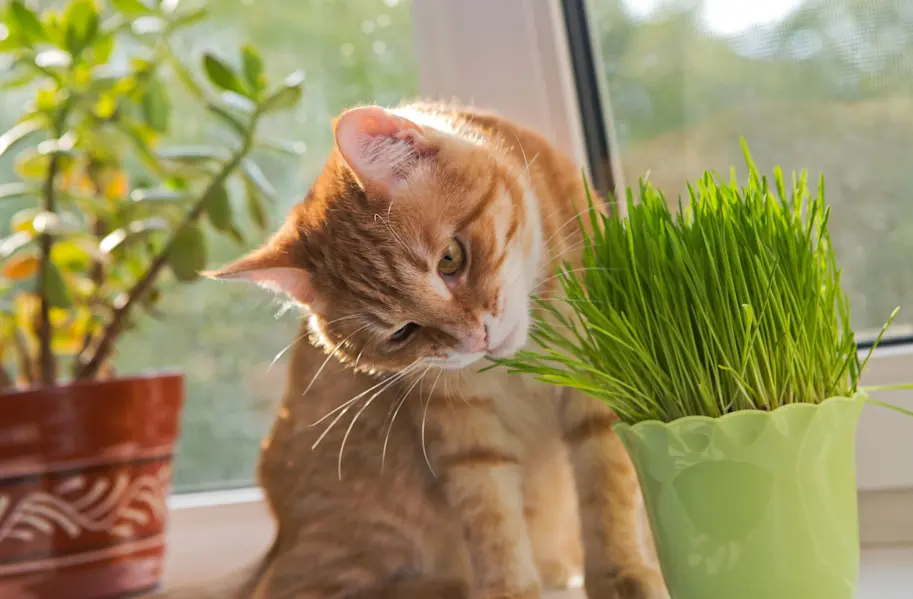
Under the name catnip, several plant varieties are hidden. The most well-known is catnip (Nepeta Cataria), also called “cat mint” because of its scent. It's often said that catnip makes cats a little crazy. So, what’s the truth? What are the effects and benefits of catnip? Where can you find it? Are there any precautions to take? Santévet answers all these questions.
Understanding Catnip
Its Origins
Catnip originates from Europe, Africa, and Asia. It is commonly cultivated from young shoots of grasses like wheat, oat, rye, or barley.
The term also refers to catnip (Nepeta cataria), a different variety that resembles mint. Catnip contains a substance called nepetalactone, which has an intoxicating effect on cats.
What Is It For?
Catnip is mainly used to satisfy cats’ need for plant matter, aid digestion, and help them eliminate hairballs swallowed during grooming. These plants are also known to stimulate social behavior and playfulness in cats.
Effects of Catnip: Scientific Explanation
Catnip stimulates the nervous system of cats due to the presence of nepetalactone. This chemical acts on feline olfactory receptors, triggering a series of behavioral responses ranging from intense excitement to relaxation and satisfaction, such as purring.
Does Catnip Calm Cats?
Scientific studies have shown that catnip also activates the production of calming pheromones in cats, which can help reduce anxiety and promote well-being.
Is It Euphoric, Does It Make Cats Go Crazy?
The euphoria caused by catnip is linked to nepetalactone, a substance that acts on the feline's olfactory receptors.
This can cause intense excitement, relaxing or satisfying behaviors, and even actions similar to mating rituals.
However, it’s important to note that cats' reactions to catnip vary widely. Some cats show no interest at all. There is no risk of addiction or danger to the cat’s health.
The euphoric effects are temporary and usually fade within 30 minutes.
Different Types of Catnip
There are several types of catnip, all aromatic plants. The best-known is Nepeta cataria. It can be found growing wild in rocky areas.
It is a perennial plant that grows to 20–30 cm tall. For cats, it acts as a powerful stress reliever and stimulant.
Catnip: A Unique Plant
Catnip is a singular plant, highly favored by our feline friends. Especially attractive to them, it contains nepetalactone, which has stimulating and euphoric effects. Reactions vary: some cats rub against the plant, roll on it, purr, or lick it.
The plant is also rich in fiber and essential oils. These components are important for cats' digestion, aiding their transit and helping eliminate hairballs. It meets a specific nutritional need while stimulating physical activity and mental well-being.
Note that catnip should not be confused with 'cat grass'. While both have similar effects on cats, they are different. 'Cat grass' refers to several plants (including catnip) that also have stimulating and euphoric effects on felines.
When and How to Give Catnip to Your Cat?
It is recommended to introduce catnip into your cat’s routine from 6 months to 1 year old. Start with small amounts, like a tablespoon, to see how your cat reacts. If the reaction is positive, you can gradually increase the amount.
How Often Should You Give It?
The recommended frequency is once or twice a week. However, every cat is different, so observe your cat’s behavior and adjust the frequency accordingly.
Catnip can be given in different ways:
Is It Really Safe to Give?
Catnip is generally safe for cats. It’s non-toxic and doesn’t cause dependency. However, make sure it doesn’t contain toxic plants like lilies, lily of the valley, or oleander.
Catnip has benefits but should be introduced gradually. Excessive amounts can cause digestive issues. Monitor your cat and adjust as needed.
Watch your cat’s consumption to avoid over-ingestion that may lead to digestive troubles.
Can You Give It to Kittens?
Catnip can be introduced to kittens’ diets, but gradually and under close observation.
It helps prevent digestive issues and can reduce regurgitation.
Nepetalactone also stimulates the central nervous system, encouraging play and social behaviors in kittens. Follow dosage recommendations and consult a vet if unsure.
Does It Affect Dogs?
Unlike cats, dogs are less affected by catnip, and the effects aren’t as noticeable.
Catnip is not an effective tool to distract or train dogs. Although usually safe for them, excessive intake can cause digestive issues in dogs.
… And Humans?
Catnip’s effect on humans is different from that on cats, but it still has some benefits.
Nepetalactone is said to have calming properties that may help relieve stress. Herbalists have used catnip tea for centuries to treat anxiety.
It may also have sedative effects useful for sleep disorders and tension headaches. Contrary to what some may think, catnip does not cause a ‘high’ in humans.
Dried Catnip: Benefits and Cautions
Dried catnip has several advantages. It lasts longer than fresh catnip and can be used year-round. It’s easier to use in toys or sprinkle in play areas.
However, take precautions: make sure the dried catnip comes from a reliable source and is pesticide-free. Keep it out of reach of children and other pets. Some cats may be more sensitive to the dried form.
It’s a good idea to alternate between fresh and dried catnip to keep your cat interested.
What About Catnip Spray?
Catnip spray is a convenient way to use the plant with your cat. It contains natural extracts from Nepeta cataria, the plant with stimulating effects.
This format is especially useful for:
- Attracting your cat to specific spots (carrier, scratching post, cushion)
- Helping calm anxiety and stress
- Encouraging play and activity
The spray has a lower concentration of nepetalactone, making its effects more short-lived. Repeated use may be necessary.
It can also be sprayed on your cat’s toys or play areas. Try spraying cat trees or scratching posts to encourage use.
Effects vary from cat to cat. Observe your cat’s reaction to adjust usage accordingly.
Can You Grow Catnip?
Yes – and it’s very easy! You can find seeds at garden centers.
Grass shoots need little care. You can sow them indoors year-round in pots. They sprout quickly. Just water them regularly and let your cat nibble on them as needed.
Catnip (Nepeta) can be grown in pots or directly in the ground – ideally in dry, rocky soil with full sun. It requires little watering. Your cat can then enjoy garden-fresh catnip at will.
Conclusion:
Catnip – a plant with many virtues – fascinates our feline friends. What are its real effects and benefits? This plant, sometimes euphoric, sometimes purifying, makes cats go wild with joy and then calm. It also aids digestion and helps eliminate hairballs. When used with care and attention to your cat’s reactions, there’s no reason to deprive your furry friend of it.